
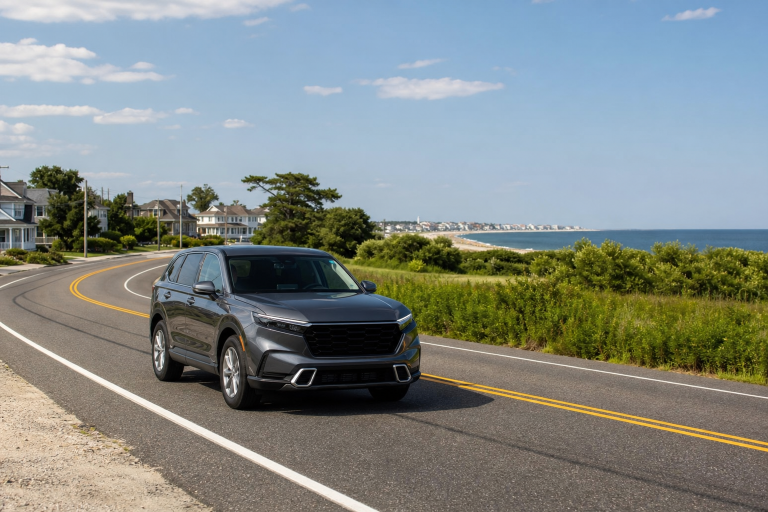
From Route 35 commutes to beach-bound drives toward the Jersey Shore, Eatontown drivers face bright sun, road grit, salt air, rain, and seasonal temperature swings. Choosing ceramic coating for cars in Eatontown, NJ can be one practical part of a larger strategy for keeping a vehicle comfortable, protected, and ready for daily use.
The most useful upgrades are not always the flashiest ones. Window film can reduce glare, paint protection can help preserve high-impact areas, and routine detailing can prevent small problems from becoming permanent stains, scratches, or interior wear.
Table of Contents
Why Vehicle Upgrades Matter in Eatontown
Vehicle styling is increasingly a comfort and preservation decision, not simply an appearance choice. A weekday commuter may prioritize lower glare and a cooler cabin, while someone who regularly travels coastal roads may focus on defending paint from sand, salt residue, and kicked-up debris.
Rather than changing everything at once, start with a clear objective. Drivers comparing options for automotive ceramic coating near me should first decide whether easier washing, better gloss, or protection for vulnerable paint areas is their primary goal.
What to Know About Car Window Tint
Quality window tint can improve the driving experience during sunny mornings and late-afternoon trips around Monmouth County. It may reduce glare, add passenger privacy, limit visible fading on interior surfaces, and help manage cabin heat. The level of ultraviolet protection depends on the specific film and its tested performance. Guidance on car window tint and UV protection also makes an important point: tint shade alone does not tell the full story.
Common Film Types
- Dyed film: A basic appearance-focused option with modest heat control.
- Metalized film: A reflective film that can reject heat, although some products may affect electronic signals.
- Carbon film: A balanced choice for a darker appearance, privacy, and heat management.
- Ceramic film: A premium option known for optical clarity, heat rejection, and signal-friendly construction.
Darker glass does not automatically equal better heat performance. Visible light transmission, infrared rejection, film construction, and careful installation all matter.
Checking New Jersey Window Tint Rules Before Installation
Visible light transmission, often shortened to VLT, describes how much visible light passes through the glass and film combination. New Jersey rules distinguish among windshield, front-side, and rear-window applications. Before selecting a shade, review the state’s window sun-screening requirements for medical reasons, especially because front windshield and front-side tint generally require approval through a medical exemption process.
Factory privacy glass is not the same as aftermarket film, and its final darkness can change when film is added. Keep installation paperwork and any required exemption documentation in the vehicle.
Paint Protection Film, Ceramic Coatings, and Wax
These products solve different problems. Paint protection film is a physical layer that can help defend areas exposed to road debris, such as front bumpers, mirrors, door edges, rocker panels, and hood sections. A ceramic coating can improve gloss, make water behavior more noticeable, and simplify washing when it is properly maintained. Wax and sealants are lower-cost treatments that add shine and shorter-term surface protection.
Choosing the Right Approach
- Use paint protection film where chips and abrasion are the biggest concerns.
- Choose a ceramic coating when easier cleaning and a durable, glossy finish are priorities.
- Use wax or sealant for an affordable, repeatable maintenance routine.
No product makes a vehicle maintenance-free. Proper paint preparation, realistic expectations, and gentle washing habits have as much effect on results as the protection product itself.
How Detailing Supports Long-Term Vehicle Care
A quick wash removes loose dirt, while a full detail addresses deeper contamination and neglected surfaces. Detailing can include interior vacuuming, stain treatment, glass cleaning, trim conditioning, wheel cleaning, and exterior decontamination. Paint correction may also be appropriate before film or coating installation when swirls, oxidation, or embedded grime are already present.
Suggested Detail Checklist
- Use clean wash tools and separate towels for wheels and painted surfaces.
- Remove bird waste, tree sap, and road film promptly.
- Use tint-safe glass cleaner on filmed windows.
- Choose gentle products for leather, plastics, screens, and trim.
- Inspect paint, seals, and protected edges during major cleanings.
Appearance Upgrades That Stay Practical
Wheels, tires, wraps, graphics, and trim accents can personalize a vehicle without sacrificing daily comfort. Wheel diameter, offset, tire size, and sidewall height all affect ride quality and durability on uneven pavement. Wraps and graphics offer a more reversible visual change, although bright finishes and high-contrast colors often require more frequent cleaning.
A sensible package might include heat-control film, a modest wheel upgrade, and paint protection for high-contact areas instead of several expensive modifications at once.
Useful Electronics and Convenience Features
Remote start, backup cameras, dash cameras, alarms, upgraded audio, and phone integration can add real everyday value. Comfort features should never compromise safety equipment. Wiring should be protected, components should match the vehicle’s electrical system, and cameras, microphones, and displays should not obstruct airbags, sensors, controls, or sight lines.
Questions to Ask Before Installation
- Will the system work with factory electronics?
- Could it affect battery performance or warranty coverage?
- Where will wires, sensors, and cameras be placed?
- What testing is completed before return?
- Will software updates or ongoing care be needed?
How to Choose the Right Service
Ask for a written explanation of products, coverage areas, surface preparation, curing time, and aftercare. For tint, confirm the shade, VLT, and performance ratings. For coatings and film, clarify what is covered, what is excluded, and how claims are handled. A warranty is most useful when its terms are specific, not when it simply uses broad phrases such as lifetime protection.
A Simple Maintenance Plan
- Weekly: Remove food waste, dirt, bird droppings, and debris.
- Monthly: Clean glass, inspect tint edges, and check tire condition.
- Every few months: Deep-clean the interior and inspect paint for chips or staining.
- Before winter: Check wipers, seals, lights, tire pressure, and battery health.
- Before summer: Inspect air conditioning and look for heat-related fading.
Final Takeaway
The best vehicle upgrade for an Eatontown driver matches local driving conditions, budget, legal requirements, and willingness to maintain the vehicle. Tint can improve comfort, paint protection can reduce visible wear, and detailing preserves the work already completed. A purposeful plan delivers better long-term value than a one-time upgrade followed by neglect.