
Post Preview
Table of Contents
Key Takeaways
- Convenience-focused technologies reduce waiting, alleviate paperwork, and digitally empower patients.
- AI-driven platforms help translate complex medical records into plain language, boosting clarity and engagement.
- Connected wearables give patients and clinicians real-time insights for proactive health management.
- Virtual-first models merge telehealth and on-site care, increasing accessibility and resource optimization.
In recent years, the rise of self-service technologies has accelerated change in healthcare, giving patients more autonomy and streamlining the patient journey from start to finish. Healthcare organizations are increasingly adopting digital check-ins, AI-powered portals, and innovative kiosks to meet growing demand for speed, convenience, and transparency. Solutions from providers like KIOSK Information Systems have played an important role in modernizing interactions at every stage of care.
With technology reducing wait times and improving communication, patients are empowered to navigate appointments, access their medical data, and proactively engage with their health more than ever before. For both providers and patients, these technologies create opportunities for more efficient workflows and a more personalized experience that addresses individuals’ evolving expectations.
Patient-centric approaches driven by self-service innovation also have the potential to make care more accessible, linking digital and in-person services smoothly and reducing the burden on administrators. As digital health continues to grow, understanding these developments is key for organizations seeking to deliver better outcomes and for patients interested in making the most of new care options.
From wearable devices to AI translation tools, the healthcare landscape is rapidly evolving to prioritize proactive care and seamless experiences. Recent reporting from TechTarget highlights how widespread digitization efforts are laying the groundwork for a robust and interoperable ecosystem benefiting all users.
Digital Check-Ins: Streamlining the Registration Process
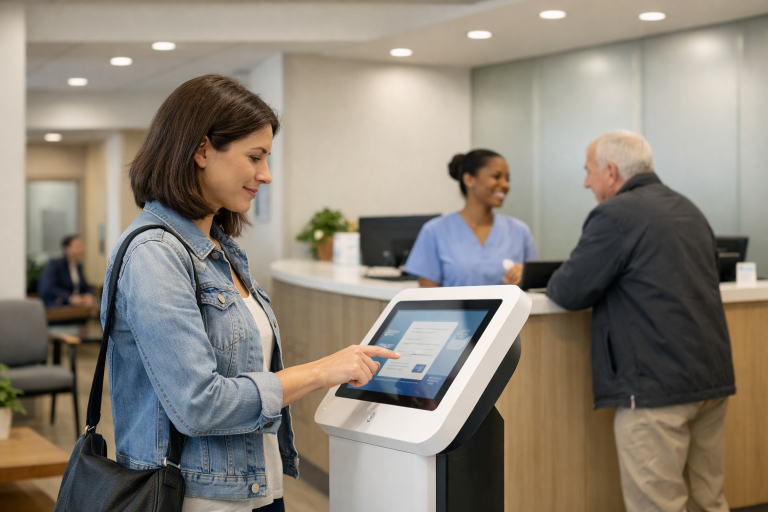
Traditionally, waiting rooms filled with paperwork set the tone for a patient’s healthcare visit. Digital check-in systems are now replacing manual forms and long lines, expediting the registration process at clinics, urgent cares, and hospitals. For example, Wellstar Health System implemented CLEAR’s digital check-in and saw a marked decrease in wait times while significantly boosting patient satisfaction scores. Patients use these platforms to confirm their identity and complete required forms on tablets or their own devices, saving time and improving data accuracy. Solutions like these enable a modern, patient-friendly environment that benefits both staff and patients.
AI-Powered Patient Portals: Making Healthcare Understandable
Medical terminology can be overwhelming. To address this, leading healthcare organizations are introducing AI capabilities into patient portals to translate clinical jargon into everyday language. Oracle Health’s portal, for example, now integrates artificial intelligence that automatically explains diagnoses, lab results, and test findings using clear, patient-friendly phrasing. This transparency enables patients to make informed decisions and actively participate in their care plan. As the healthcare system prioritizes digital engagement, tools like these are crucial for closing communication gaps and enhancing health literacy.
Wearable Health Devices: Empowering Real-Time Monitoring
The adoption of wearable technologies, from smartwatches that track heart rate to fitness bands that monitor sleep patterns, has redefined patient engagement. These devices allow users to monitor health data in real time and help clinicians by providing a continuous stream of information about their patients’ well-being. Proactive monitoring facilitates early detection of issues and empowers individuals to take action before symptoms escalate. As physicians incorporate these real-time data feeds into care plans, the traditional doctor-patient relationship grows more dynamic and individualized.
For example, some healthcare systems are piloting remote monitoring programs that automatically alert care teams to changes in patient status, prompting timely follow-up or intervention. These wearable devices can be especially valuable for managing chronic conditions such as diabetes, hypertension, or cardiac arrhythmias, where ongoing assessment supports both acute and preventive care. Furthermore, the integration of wearables with mobile apps and digital platforms enables seamless tracking, personalized health insights, and reminders to encourage adherence to treatment recommendations.
Virtual-First Care Models: Expanding Access and Efficiency
Virtual-first care is reshaping how individuals access health services, combining digital triage and telehealth consultations with in-person care as needed. For instance, Tufts Medicine’s virtual-first initiative enables patients to receive medical advice, schedule care, and get digital follow-ups, often without visiting an office unless required. This model enhances convenience for patients, reduces strain on facility resources, and optimizes clinical workflows, leading to better access and reduced wait times.
These innovative models are also being supported by the rise of interoperable electronic health records and real-time data sharing, which ensure that patients and clinicians remain connected throughout the continuum of care. With these advancements, healthcare providers can deliver tailored interventions sooner, helping to close care gaps while making more efficient use of clinical resources. As a result, the adoption of virtual-first models is expected to continue accelerating, setting a new standard for patient-centered healthcare delivery.
AI Agents in Patient Intake: Reducing Administrative Burden
Administrative tasks are a significant source of burnout among healthcare professionals. Forward-thinking organizations like Penn Medicine are now leveraging AI-powered intake agents to handle time-consuming data entry and patient onboarding steps. These intelligent tools gather necessary information, update records, and free up human staff to focus on clinical interactions, reducing bottlenecks and improving efficiency throughout the patient journey.
The integration of AI in patient intake not only expedites processing but can also increase accuracy by dynamically verifying information and automatically flagging inconsistencies for review. As administrative demand grows alongside patient volume, AI intake agents promise to play a larger role in sustaining quality care without overwhelming healthcare support staff. This trend is likely to expand further as more clinics seek comprehensive digital transformation strategies.
Self-Scheduling Tools: Optimizing Appointment Booking
Patient self-scheduling technology allows individuals to book appointments using web or mobile applications at their own convenience. It has become particularly popular among younger patients, but adoption is increasing industry-wide as more people expect self-service in healthcare as in other parts of their lives. Clinics have seen reduced no-show rates and greater operational efficiency as a result. These innovations reflect a broader shift toward patient-centered care, where individuals control how, where, and when they meet with providers.
Modern self-scheduling platforms often include features like automated reminders, waitlist management, and online pre-registration links, further reducing the administrative load for staff and ensuring patient time is valued. Enhanced communication tools within these systems can answer common patient questions in real time, while also providing the flexibility to reschedule or cancel easily. As healthcare becomes more competitive and consumer-driven, offering frictionless scheduling experiences will remain a differentiator for many providers.
Conclusion
Healthcare is undergoing transformational change fueled by self-service technologies that reimagine every stage of the patient experience. From check-in kiosks and AI-powered understanding to wearables and virtual-first care pathways, these tools are making healthcare more accessible, efficient, and empowering for patients. As adoption continues to spread, the future points to a healthcare system that is not only more tech-forward but also more human-centric, offering patients convenience and understanding without sacrificing quality of care.